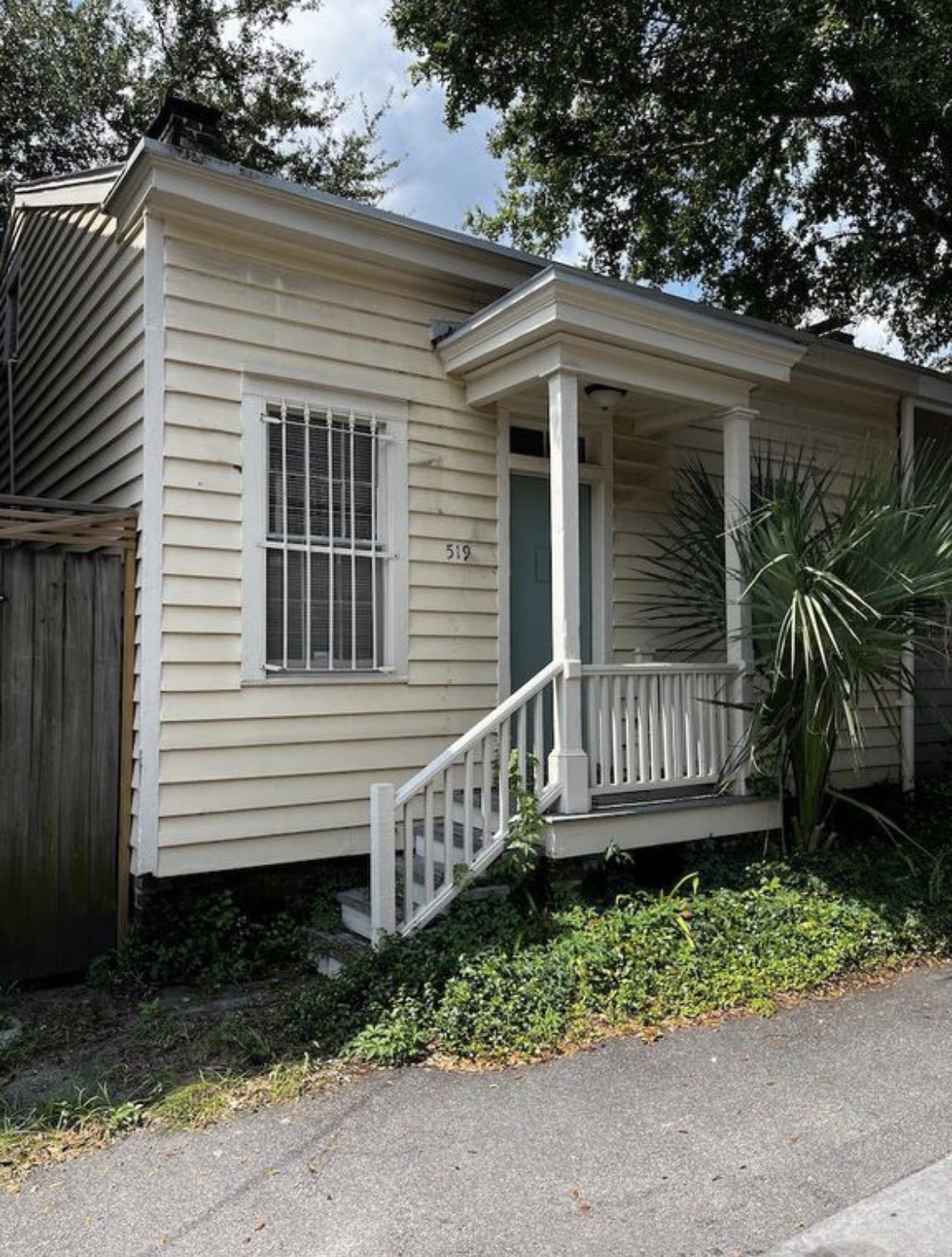
The federal census recorded at 519 East Liberty Lane in 1950, a one bedroom, one bathroom house on Savannah's Eastside. Six children lived inside it. Their mother was Rose Clark — a thirty-seven year old African American woman, born in South Carolina. Her occupation was listed as maid and her status was listed as single.
She was the driving force in her household — the one who provided food and clothing for her family. Her hard work and determination sparked something in one of her children.
One of those six children was Benjamin Van Clark. He was six years old in 1950. He grew up in that house with his five brothers and sisters. He knew what poverty felt like from the inside — not as a statistic, not as a talking point, but as the specific dimensions of the place he slept every night. And he overcame every inch of it.
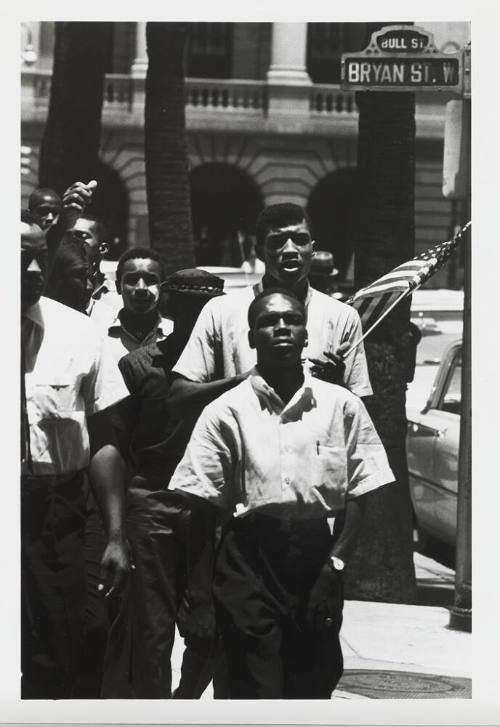
By 1963 Benjamin Van Clark was nineteen years old — still a teenager — organizing three marches a day through the streets of Savannah. He wore a black suit. He carried a casket through downtown to bury segregation while police threatened tear gas. He endured more than twenty-five arrests.
Hosea Williams recognized what Benjamin Van Clark was and sent him to a Citizenship School in Liberty County. Martin Luther King Jr.'s Southern Christian Leadership Conference hired him as a field director. In 1980 the City of Savannah renamed a neighborhood park in his honor. Benjamin Van Clark Park. The park is larger than the house he grew up in.
His mother Rose is not mentioned in any published history of the civil rights movement in Savannah. Not one article. Not one exhibit. Not one line. 519 East Liberty Lane is still standing. One bedroom. One bathroom. No marker. No sign.
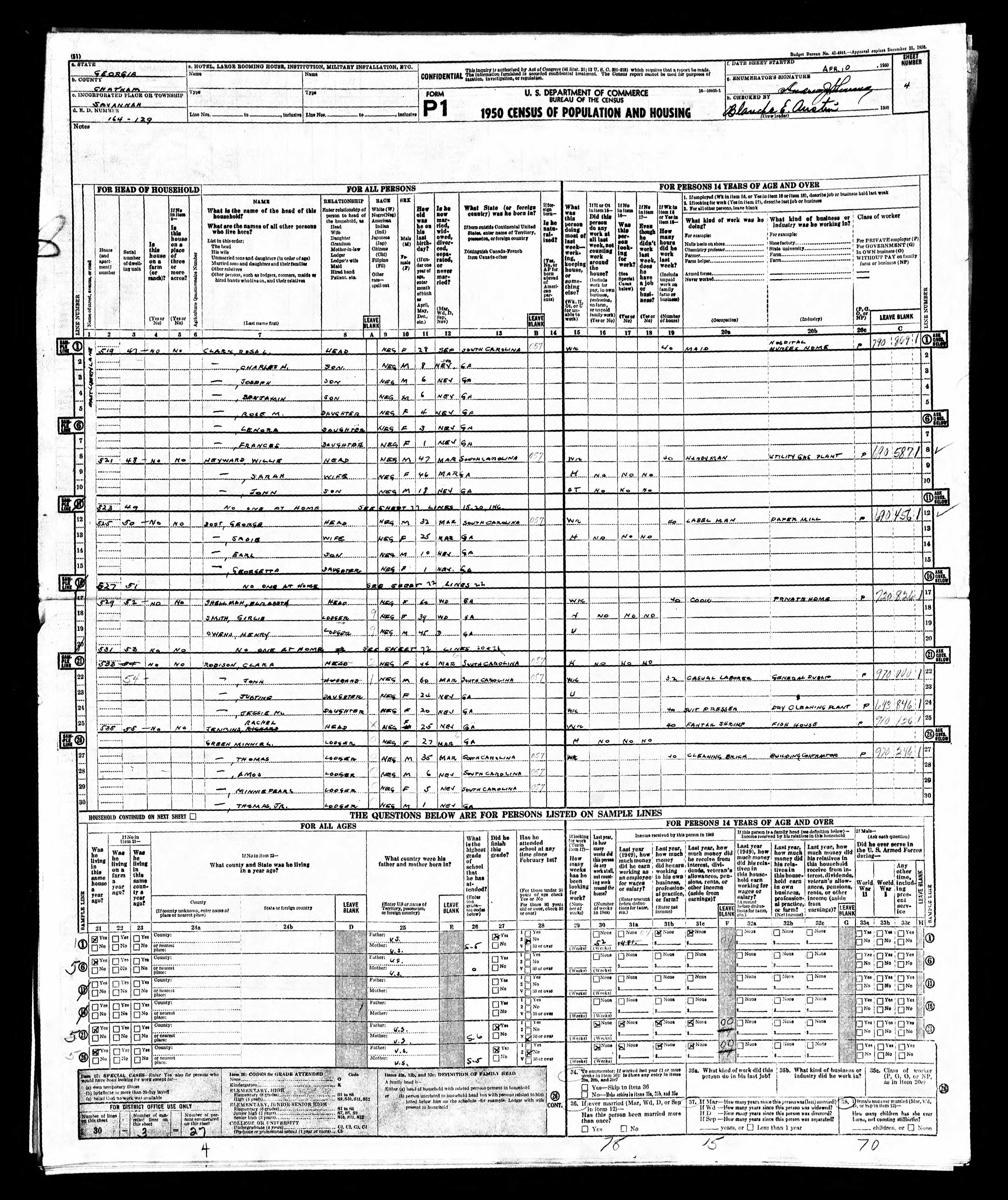
| Name | Clark, Rose L. |
| Relation | Head of Household |
| Age | 37 |
| Birthplace | South Carolina |
| Occupation | Maid |
| Address | 519 East Liberty Lane |
| Enumerated | April 10, 1950 |