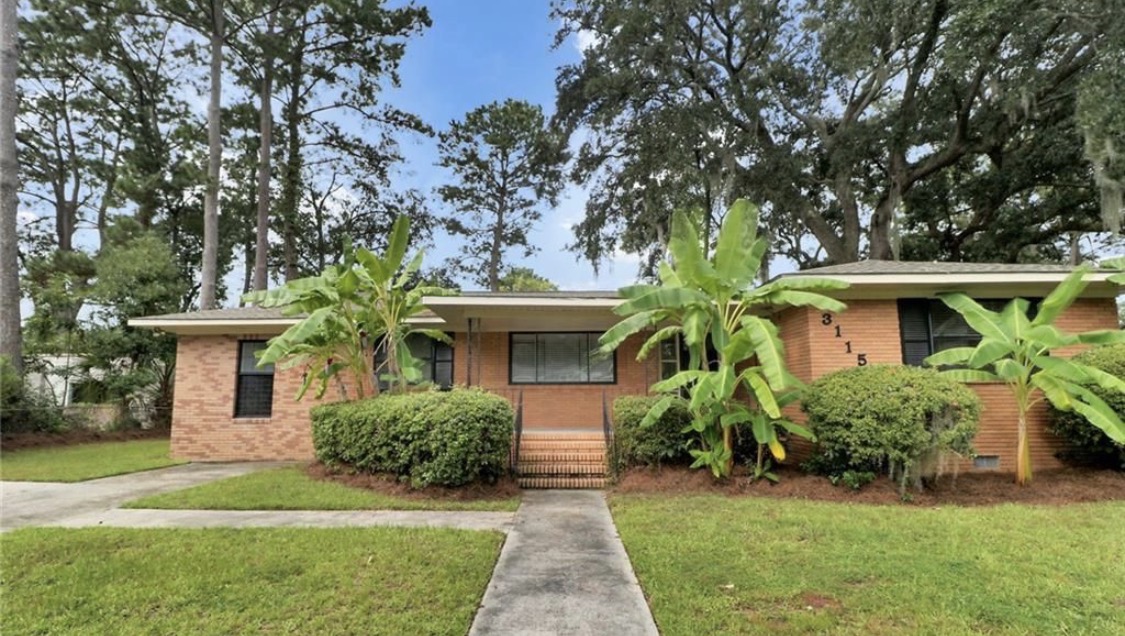
The city directory lists him in three words. Chem. US Dept Agriculture. That is what Hosea Williams was when he lived at 3115 Gilbert Street — a federal research chemist at the United States Department of Agriculture. The first Black research chemist at the USDA south of Washington D.C.
His wife Juanita was a college professor. They had built exactly the kind of life that was supposed to be impossible for a Black family in the Jim Crow South. And then one day his children asked why they couldn't sit at the lunch counter like the other kids.
That question — asked near this house, on a Savannah street — changed the direction of the American civil rights movement. Hosea Williams did not set out to be a civil rights leader. He became one of the most important figures in American history because his children were refused the right to sit on a lunch counter stool.
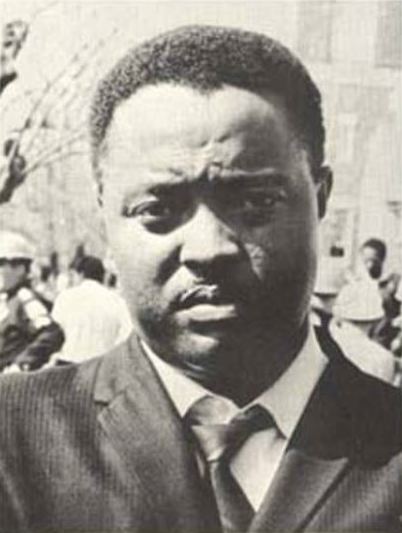
He organized the Savannah protests that Martin Luther King Jr. called the largest civil rights demonstrations in America outside of Birmingham. He was arrested. His bail was set at thirty-five thousand dollars. He sat in jail for sixty-five days — the longest continuous incarceration of any major civil rights leader of that era. When he got out he kept marching.
On March 7, 1965 Hosea Williams walked alongside John Lewis across the Edmund Pettus Bridge in Selma, Alabama. What happened next became known as Bloody Sunday — the moment that led directly to the Voting Rights Act of 1965.
The house at 3115 Gilbert Street was built in 1954. It is still standing today. No marker identifies it.
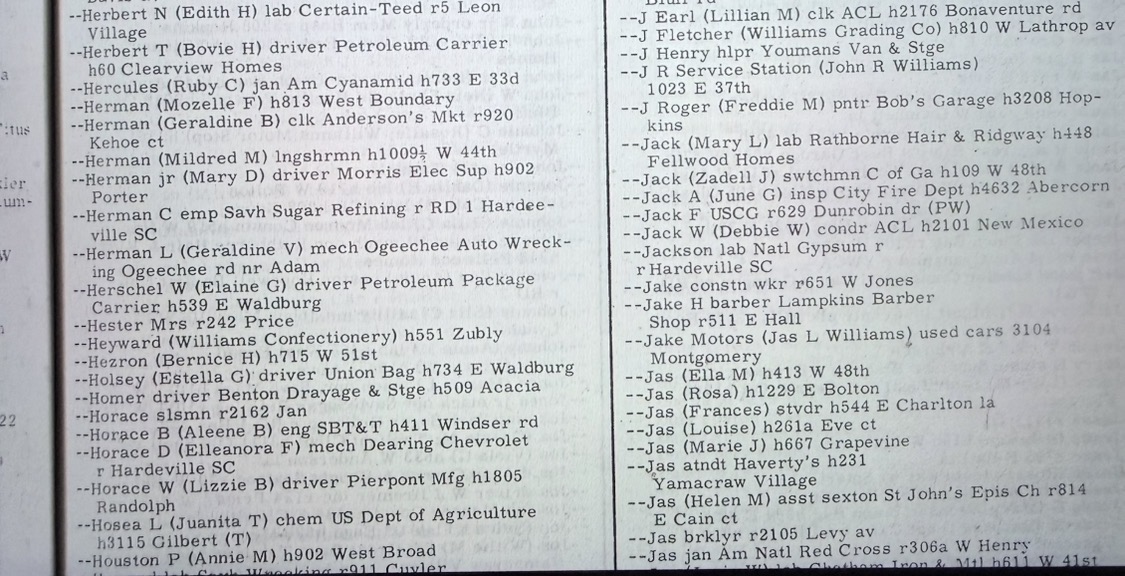
| Name | Williams, Hosea L. |
| Wife | Juanita T. |
| Occupation | Chem · US Dept of Agriculture |
| Address | h3115 Gilbert |
| Exchange | ADams telephone |